One Star Would Not Recommend: Mastering Sarcasm in Design
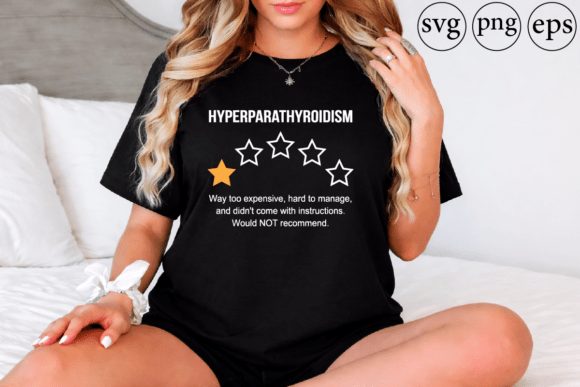
In the vast landscape of modern typography, where every script font and serif font vies for attention, there is a specific visual language that cuts through the noise: sarcasm. The "One Star Would Not Recommend" concept is more than just a funny one star review design; it is a strategic asset for anyone operating in the digital marketplace. This minimalist typography style, characterized by bold white text and a striking orange star icon, taps into a specific psychological trigger. It leverages irony to create a connection with an audience that is tired of generic marketing fluff. For designers, entrepreneurs, and content creators, understanding how to deploy this witty gift of a design can be the difference between a scroll-past and a viral share.
The Anatomy of Ironic Minimalism
At its core, this design style relies on a high-contrast visual hierarchy. The typography is unapologetic. It usually features a bold sans serif font or a heavy display font that commands immediate attention. By stripping away serifs and decorative swirls, the text mimics the clean, utilitarian look of a standard e-commerce review section. However, the context shifts entirely when paired with the "One Star Would Not Recommend" quote. The minimalist typography acts as a blank canvas that allows the sarcastic humor graphic to take center stage.
The color palette is intentionally restricted. The use of bold white text against a dark or transparent background ensures maximum legibility, which is a non-negotiable in apparel print design. The orange star icon serves as the visual anchor. It is the universal symbol for a rating, but here it is subverted. Instead of signaling a quality failure, it signals a joke. This creates an immediate cognitive dissonance that the viewer resolves with a laugh. For the creator, this design asset is incredibly versatile because the color scheme is neutral enough to fit into almost any brand identity that values edginess or humor.
Strategic Applications for Digital and Physical Products
The utility of the "One Star Would Not Recommend" design extends far beyond a simple t-shirt. For small business owners and Etsy sellers, this is a prime example of a digital download that solves a specific problem: the need for witty, relatable merchandise. Because the asset package includes high-resolution PNG, EPS, and SVG files, it is engineered for production. The transparent background of the PNG file is particularly critical for apparel print, allowing the design to be placed on colored fabric without the hassle of complex masking.
Consider the practical applications across different mediums:
- Apparel and Fashion: The design works exceptionally well on crew neck sweatshirts and hoodies. The bold white text pops against dark neutrals like charcoal, navy, or black. It appeals to the demographic of adults aged 20–50 who appreciate dry wit and anti-fashion statements.
- Drinkware and Signage: Mugs featuring this design make for excellent office gifts. The irony of drinking coffee from a mug that "would not recommend" the morning adds a layer of humor to a daily routine. Similarly, as a sign, it works well in home offices or creative studios as a piece of wall art.
- Digital Content and Social Media: Content creators and bloggers can utilize the SVG file to create social media graphics that stand out. The "one star" concept is highly shareable on platforms like Instagram and TikTok, often used to caption a difficult DIY project or a chaotic day in the life of an entrepreneur.
Technical Versatility: Why File Formats Matter
As a creative professional, the value of a design asset is often dictated by its technical flexibility. The inclusion of SVG, PNG, and EPS files in this package is not just a bonus; it is a requirement for professional production. The SVG (Scalable Vector Graphics) file is the powerhouse for anyone using cutting machines like the Cricut Design Space or Silhouette Designer Edition. Unlike raster images, the SVG format allows the "One Star Would Not Recommend" design to be scaled to any size—whether for a small sticker or a large storefront sign—without losing a single pixel of quality. The lines remain crisp, and the curves of the typography stay smooth.
The PNG file, rendered at 300dpi, is the standard for direct-to-garment (DTG) printing and sublimation. High resolution is vital here; a pixelated star icon would ruin the illusion of a premium font design. The EPS file ensures compatibility with older professional software like Adobe Illustrator, giving graphic designers the ability to customize the colors or manipulate the vector paths if they need to integrate the design into a larger, more complex layout.
Typography and Brand Perception
Using a design like "One Star Would Not Recommend" requires a nuanced understanding of brand voice. For a brand identity that relies on trust and authority, this specific graphic might seem risky. However, for a brand that positions itself as a disruptor, a relatable friend, or a purveyor of "real talk," this design is a goldmine. It signals to the audience that the brand doesn't take itself too seriously. It humanizes the digital storefront.
When evaluating font pairings and design integration, consider the balance of the composition. Because the "One Star" design is bold and statement-driven, it should not be cluttered with competing elements. If you are placing this on a website landing page, surround it with plenty of white space. If you are printing it on a sticker, ensure the cut line follows the contour of the text or the star closely to maintain that modern, die-cut aesthetic.
Evaluating the "Witty Gift" Market
There is a robust market for irony design. Consumers are actively looking for gifts that reflect their personality, and self-deprecating humor is a dominant trend. A mug that says "One Star Would Not Recommend" is a perfect gift for a friend who is always complaining, or for a coworker who has a cynical sense of humor. By offering this as a digital download, you empower other creators to print these designs on demand, reducing inventory waste and allowing for rapid adaptation to trends.
Ultimately, the "One Star Would Not Recommend" graphic is a masterclass in visual efficiency. It uses the language of consumerism (the review) against itself to create a moment of levity. Whether you are a crafter looking for your next project or a marketer looking to inject some personality into your content, this design provides the tools to do so with professional precision. It proves that sometimes, the best way to get a five-star reaction is to ask for a one-star review.